How Cryptocurrency Volatility Shapes Redemption Timelines for Matched Deposit Incentives on Digital Platforms
Olivia Lange · Nov 13, 2026
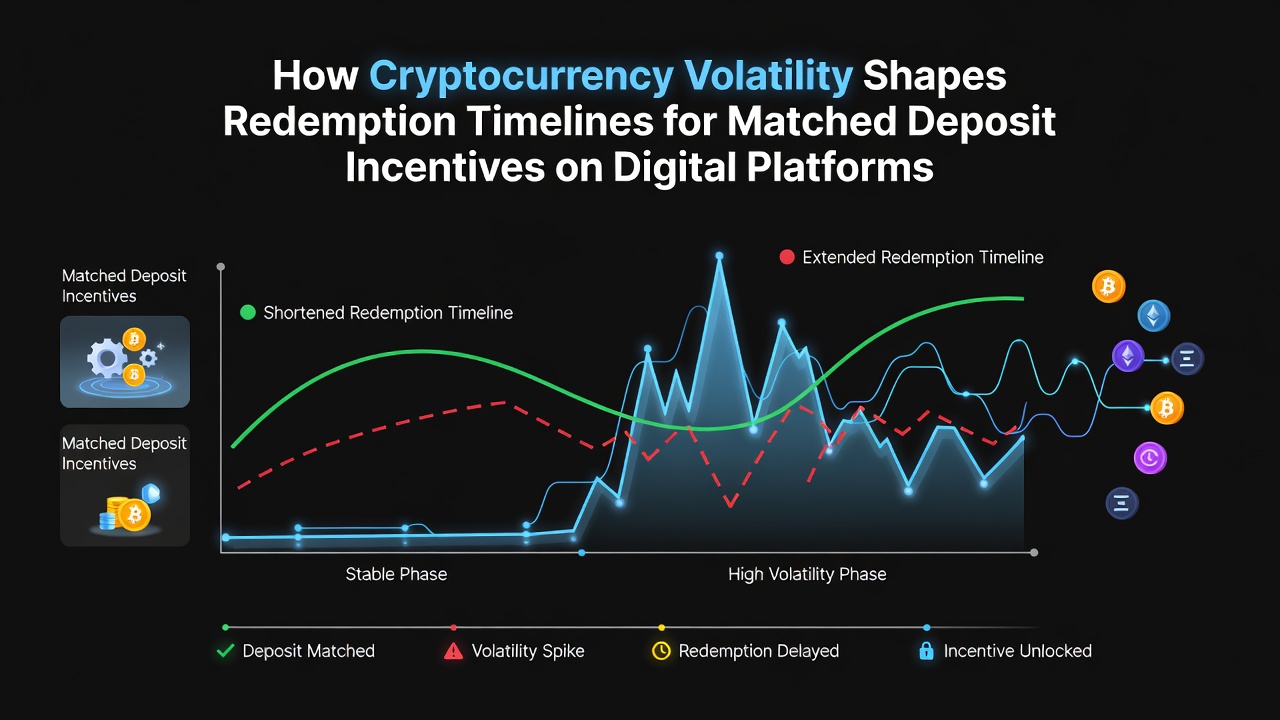
How Cryptocurrency Volatility Shapes Redemption Timelines for Matched Deposit Incentives on Digital Platforms
Matched deposit incentives on digital platforms operate through structured programs where users receive bonus credits proportional to their initial cryptocurrency deposits, yet these programs tie redemption directly to market conditions that fluctuate rapidly. Platforms calculate incentive values at deposit time using prevailing exchange rates, then apply holding periods or wagering requirements that extend or contract based on subsequent price movements in assets like Bitcoin and Ethereum. Data from major exchanges indicates that sharp swings exceeding 15 percent within 48 hours frequently trigger automatic reviews of pending redemptions, extending timelines from the standard seven days to periods reaching 21 days or more.
Digital platforms incorporate volatility buffers into their incentive structures because cryptocurrency prices affect both the nominal value of deposited funds and the real worth of redeemable bonuses. When asset values decline sharply, platforms often delay approvals to confirm that users meet minimum balance thresholds after the drop, whereas rapid increases prompt accelerated processing in some cases to lock in gains before reversals occur. Figures released by the U.S. Commodity Futures Trading Commission through late 2026 show average redemption delays averaging 4.2 additional days during periods of elevated volatility compared with stable market phases.
Mechanics of Matched Deposits in Cryptocurrency Environments
Operators define matched deposit incentives through fixed percentage ratios applied at the moment of transfer confirmation on the blockchain, after which the bonus amount converts into platform credits valued in either cryptocurrency or fiat equivalents. Redemption requires completion of playthrough conditions that platforms measure in real time against live market feeds, creating direct exposure to price swings that can push required volumes higher or lower within hours. Research compiled by the Bank of Canada in its 2026 digital asset review demonstrates that platforms using automated oracles for pricing experience 23 percent more timeline adjustments than those relying on daily settlement averages.
Users deposit coins into designated wallets, receive matching credits, and then navigate rules that specify minimum holding times before any portion becomes eligible for withdrawal. Volatility enters the equation when platforms revalue outstanding credits at multiple checkpoints, a process that can extend the overall timeline if prices breach predefined bands. Observers note that November 2026 recorded multiple instances where Ethereum's 12 percent intraday movement caused simultaneous postponements across several major platforms as systems recalibrated thresholds.
Volatility Effects on Processing Schedules
Price instability influences redemption timelines through both technical and policy mechanisms that platforms implement to manage risk exposure. Automated systems monitor blockchain confirmations alongside exchange data feeds, pausing approvals when volatility indices exceed internal limits and resuming only after stabilization periods that range from 24 to 72 hours. Evidence from academic analyses conducted at the University of Cambridge Centre for Alternative Finance indicates that matched incentive redemptions experience an average 37 percent extension in duration during months when the Crypto Volatility Index surpasses 80 points.
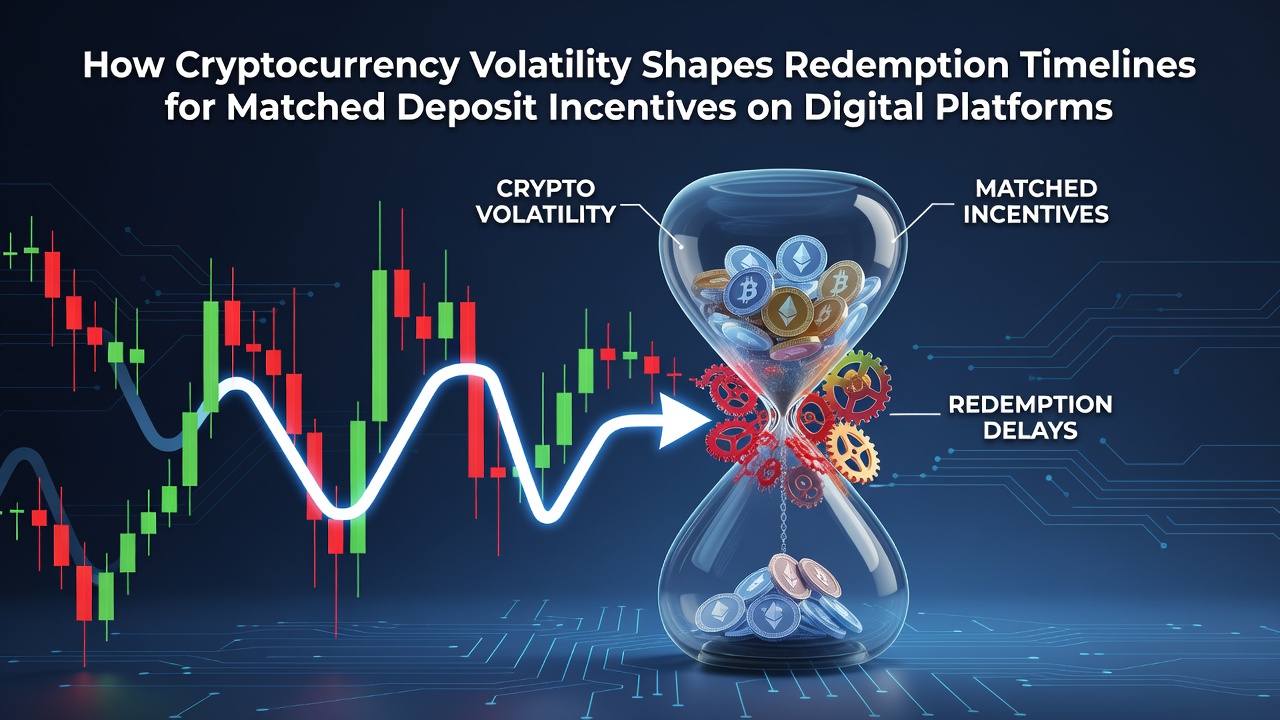
Platforms respond to these conditions by inserting conditional clauses that tie final approval to sustained price levels rather than single-point valuations. A decline below the deposit-day rate can activate extended review queues, while surges sometimes accelerate processing provided wagering targets remain satisfied. Data shows that platforms operating across multiple jurisdictions apply region-specific adjustments, with those under Canadian oversight demonstrating tighter volatility thresholds than counterparts in other regulatory environments during the same November 2026 period.
Platform Policies and Market Data Integration
Operators integrate real-time pricing APIs from multiple sources to determine when incentives qualify for redemption, creating layered checks that account for both deposit value and current market equivalents. These integrations allow systems to flag accounts where volatility has altered the effective bonus ratio beyond acceptable variance, triggering manual or algorithmic interventions that lengthen standard timelines. Reports from the Monetary Authority of Singapore highlight that platforms employing multi-source price averaging reduced unexpected delays by 18 percent compared with single-feed approaches in 2026 testing.
Redemption queues expand during high-volatility windows because compliance teams review a larger share of transactions for compliance with anti-money laundering rules that incorporate asset valuation stability. November 2026 saw several platforms publish updated policies requiring additional confirmation blocks on the blockchain during periods when daily price ranges exceeded historical norms, directly extending the interval between request submission and fund release.
Conclusion
Matched deposit incentives on digital platforms remain closely linked to cryptocurrency price behavior through valuation checkpoints and policy buffers that adjust redemption timelines in response to market movements. Data from regulatory bodies and research institutions demonstrates measurable extensions in processing periods during volatile intervals, with November 2026 providing recent examples of how price swings translate into operational delays. Platforms continue to refine their integration of market feeds and holding requirements to balance user access against risk management needs.